
How Iris Matching Brings a Prosthetic Eye to Life
From color depth to tiny striations, a hand-painted prosthetic eye can mirror the natural eye with remarkable precision. Here’s how ocularists at CEP create that effect.

How close can a prosthetic eye really get to looking like your natural one?
You sit in the exam chair, holding the mirror they just handed you. The shape is right. The fit feels solid. But as your eyes move, one real and one prosthetic, you notice it. Something in the color doesn’t quite match. It’s subtle, but it pulls your attention every time.
That moment is more common than you’d think. At Carolina Eye Prosthetics, iris matching is a practiced art. The process starts with a blank lens and builds in layers like a painting on canvas. Each hand-painted prosthetic eye is designed to reflect your natural eye’s color, depth, and detail. Here’s how our ocularists get it right.
The Process
From socket impression to final fitting
Before a single color is mixed or a brush touches the lens, the process begins with shape. A well-made prosthetic eye depends on more than surface detail. It starts with how precisely it fits the socket.
At Carolina Eye Prosthetics, each custom eye begins with a detailed impression. That mold captures the unique dimensions of your socket, allowing the ocularist to sculpt a wax model that mirrors its shape. This foundation ensures comfort and proper alignment before any iris matching begins.
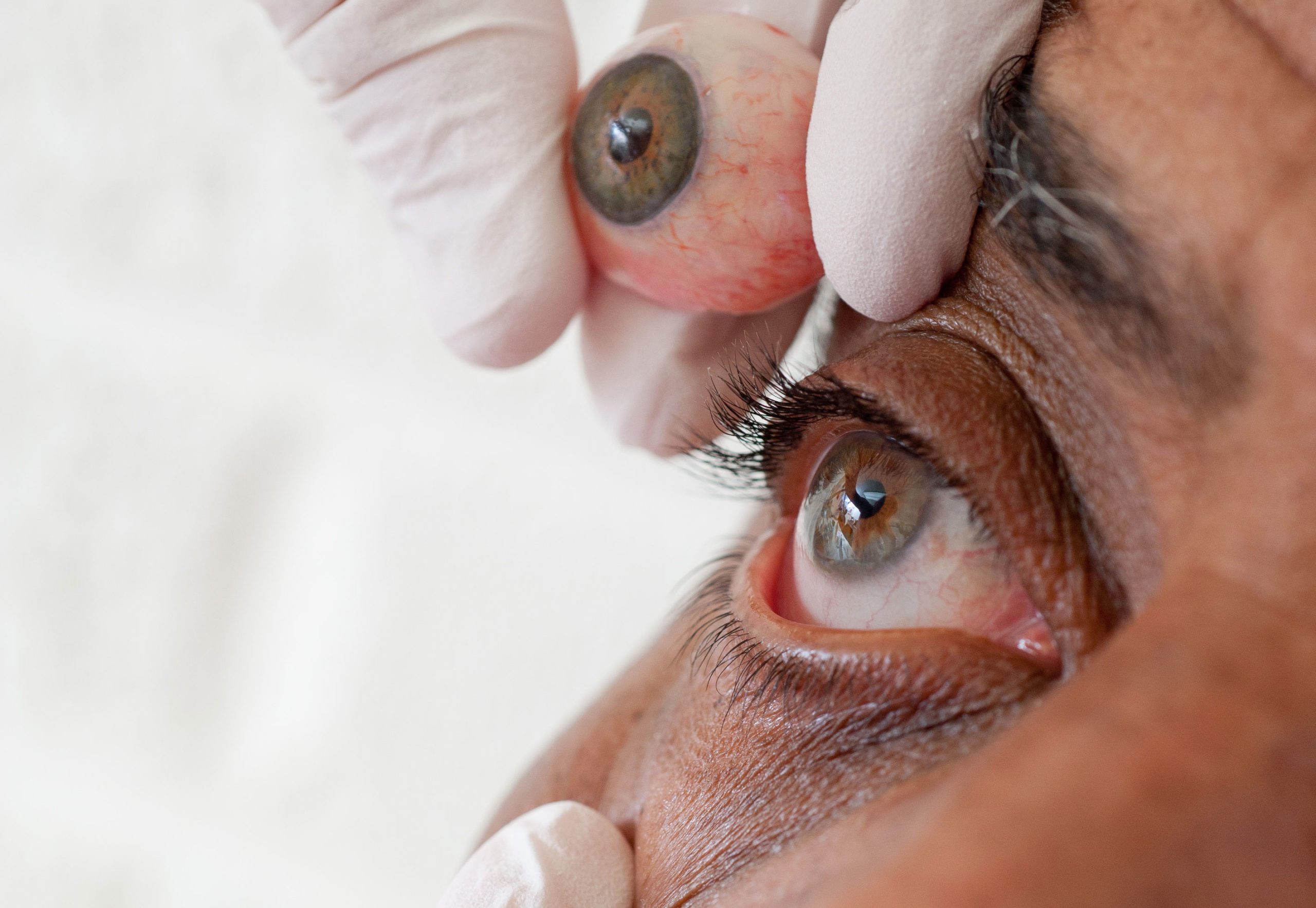
From there, the team prepares the base for what will become a natural-looking prosthetic eye. The surface is primed for pigment, creating a blank canvas that sets the stage for a prosthetic eye color match that feels seamless in both fit and appearance.
This early phase is technical, yes, but it’s also personal. Every measurement, model, and adjustment sets the stage for an eye that not only fits well but blends in without a second thought.

The Pigment
Blending color, light, and structure
Once the fit is finalized, the focus shifts to the iris. Matching the color goes beyond just picking the right shade — it involves our ocularists capturing dimension and the subtle variations that make each eye unique. This part of the process is where the artistry becomes visible.

Here’s how ocularists at Carolina Eye Prosthetics create a hand-painted prosthetic eye that looks natural at a glance and up close:
- Base tone sets the stage. Using a powder resin mix, the ocularist creates a neutral background that mimics the natural depth of the eye.
- Iris detail is painted by hand. Tiny lines called striations radiate outward from the pupil. These lines are customized for each patient, reflecting the natural eye’s texture and pattern.
- Shading adds realism. Layered pigments help create a sense of light and movement within the iris, especially important for blue and lighter-colored eyes, which are more complex to replicate.
- Pupil and sclera complete the look. While the pupil doesn’t dilate in a prosthetic eye, its placement and depth still influence the final result. The sclera (white of the eye) is also matched for tone, ensuring nothing feels out of place.
Together, these elements form a natural-looking prosthetic eye that reflects both your features and your personality.
Cannot say enough fabulous things about Anna and her team. I have met clients in her office from all over the country! People fly in just to work with her. The care, attention, and expertise we receive are invaluable.”
– W.G., Client –
The Projection
The advantages of having a new prosthetic eye
A well-matched prosthetic eye blends naturally into daily life. Once the iris color, fit, and detail are in place, most people shift their focus away from the eye entirely. That’s often the goal.
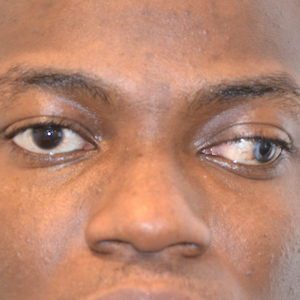
In conversations, mirrors, and photographs, there’s a comfort in not having to think about what others see. The sense of ease comes not from perfection, but from familiarity. When the prosthetic eye reflects your natural features, it stops drawing attention and starts feeling like a part of you.

Here’s what patients often share after receiving their custom eye:
“People stopped noticing my eye. That made me feel like myself again.”
“It finally felt like mine!”
“I didn’t realize how much tension I was carrying until it was gone.”
These small shifts in comfort and ease can reshape how people carry themselves and move through the world.
We meet a lot of people who’ve spent years settling for an eye that doesn’t quite feel like them. If you’ve ever wondered whether yours could look more natural, we’d love to walk you through what’s possible. Reach out to us today.”
– Anna Boyd Jefferson, Ocularist at Carolina Eye Prosthetics –
Ready to take the next step?

Frequently Asked Questions
The prosthetic itself doesn’t change color, but your natural eye might. Over time, aging can shift its tone or brightness slightly.
No, the pupil in a prosthetic eye remains fixed in size. Ocularists use shading and placement to create the illusion of depth, but it won’t respond to light like a natural eye.
Yes, but they require more detailed work. Lighter eyes often have more visible striations and color variation, so matching them means layering pigment with greater precision. That’s where a custom ocularist eye design really matters.
No one’s are. A good prosthetic eye doesn’t aim for perfect symmetry. It’s designed to blend into your features so that it feels natural and familiar.
We offer updates or replacements if you feel the color no longer matches. It’s common for patients to want a refresh after a few years, especially if there are noticeable changes in the natural eye or surrounding tissue.
 English
  Spanish